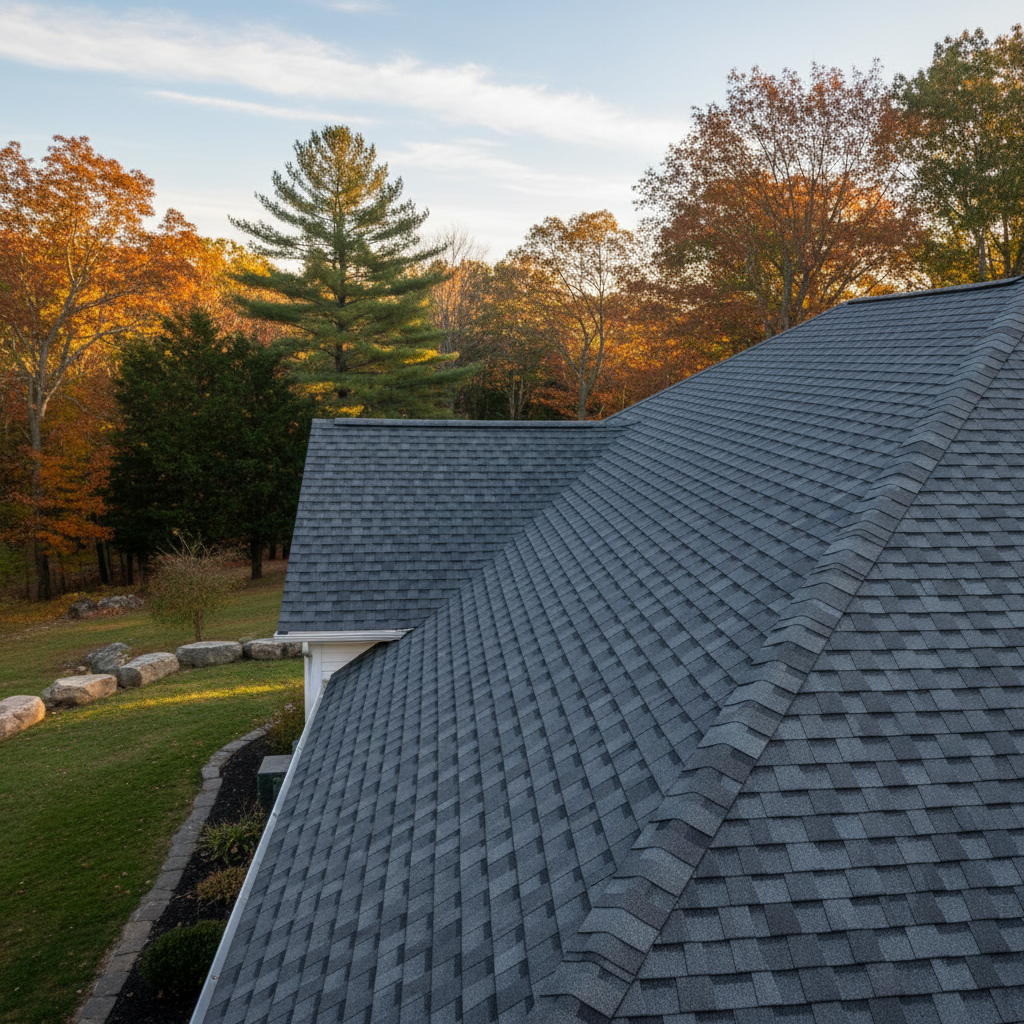
You've got an asphalt shingle roof, and you want it to last. That's smart thinking, especially here in West Greenwich. Our roofs really take a beating – from those heavy winter snowfalls that pile up, to the humid summers, and the wild swings of spring and fall. It's not just about getting a good installation, you know; it's about taking care of it over the years. Think of it like your car; you wouldn't just drive it without oil changes, right? Your roof needs some attention too.
Extending Your Roof's Lifespan: It's All About Prevention
The biggest secret to a long-lasting asphalt shingle roof isn't really a secret at all: it's just proactive maintenance. You can't just put it up and forget about it for 20 years. Doing that is a recipe for trouble, and a much bigger bill down the line. What you do now can literally save you thousands later.
- Keep it Clean: Debris like leaves, pine needles (especially common around our wooded properties near places like Big River Management Area), and small branches can trap moisture. That trapped moisture is a perfect breeding ground for moss, algae, and eventually, rot. Make sure to clear your roof and gutters regularly, especially after a storm or in the fall.
- Trim Those Trees: Overhanging branches are a big no-no. They scrape shingles, drop debris, and give squirrels and other critters an easy highway right onto your roof. Try to keep them trimmed back at least 6-10 feet from your roofline if possible.
- Ensure Good Ventilation: This is huge, and people often overlook it. Proper attic ventilation helps control temperature and moisture. Without it, your attic can get super hot in summer, essentially baking your shingles from below and shortening their life. In winter, poor ventilation can lead to ice dams, which are a major problem for shingles and can force water right under them. Just make sure your soffit and ridge vents aren't blocked.
- Address Moss and Algae Promptly: Those dark streaks and green patches aren't just ugly; they're holding moisture against your shingles and can cause granular loss. You can gently treat them with a 50/50 bleach and water solution, but be careful not to use a high-pressure washer, as that'll strip the granules right off.
What Regular Maintenance Looks Like
I recommend a pretty simple routine. Twice a year, usually in the spring after the last snow melts and in the fall after the leaves drop, give your roof a good visual once-over from the ground. If you're comfortable and have the right safety gear, you can get on a ladder for a closer look at the lower edges and gutters. If you're not comfortable, don't risk it – that's what pros are for, after all.
Here's what you're looking for:
- Clear Gutters and Downspouts: Make sure water can flow freely. Clogged gutters mean water backs up, overflows, and can damage fascia, soffits, and even your foundation.
- Missing or Damaged Shingles: Look for shingles that are curled, cracked, buckled, or completely gone. High winds, especially those we get during nor'easters, can lift and tear shingles away.
- Granule Loss: You might see a lot of grit in your gutters. A little is normal, but excessive granule loss means your shingles are losing their protective layer and are nearing the end of their life.
- Loose Flashing: Check around chimneys, skylights, vents, and valleys. Flashing is critical for preventing leaks, and if it's loose or corroded, you're just asking for water intrusion.
- Sagging Areas: Any dips or sags in the roof deck could indicate a more serious structural issue or water damage.
Warning Signs That Something's Wrong
Sometimes, your roof will tell you it's got a problem, even if you haven't been up there looking yourself. Don't ignore these signs:
- Water Stains on Ceilings or Walls: This is the most obvious sign of a leak. Don't assume it's just a plumbing issue. Often, that water is coming from above.
- Dampness or Musty Odors in the Attic: This points to moisture getting in or poor ventilation.
- Higher Energy Bills: A poorly ventilated or damaged roof can lead to significant heat loss in winter and heat gain in summer, driving up your heating and cooling costs.
- Exterior Paint Peeling: If you see paint peeling on your eaves or fascia, especially in areas not directly exposed to rain, it could be a sign of water backing up from clogged gutters or poor drainage from the roof.
When to Call a Professional (Like Us at Black Diamond Roofing)
Look, I'm not saying you need to call me every time you see a stray leaf. But there are definitely times when a professional eye is essential. If you notice any of the major warning signs I just mentioned, or if you're just uncomfortable getting on your roof, that's when you give us a call. We've got the experience and the right safety equipment to assess the situation properly.
You should also call a pro if:
- You suspect storm damage. Even if you don't see obvious issues, a professional inspection can catch subtle damage that might become a major leak later.
- You're seeing significant moss or algae growth and aren't sure how to safely treat it without damaging your shingles.
- You've got recurring leaks that you just can't pinpoint.
- Your roof is getting older (15+ years) and you want an honest assessment of its remaining life and what, if anything, needs immediate attention.
Taking care of your asphalt shingle roof isn't rocket science, but it does require a little diligence. A small investment of your time or a professional's time now can prevent a much larger, more expensive problem later. Keep an eye on your roof, especially with our unpredictable Rhode Island weather, and it'll keep protecting your home for years to come.