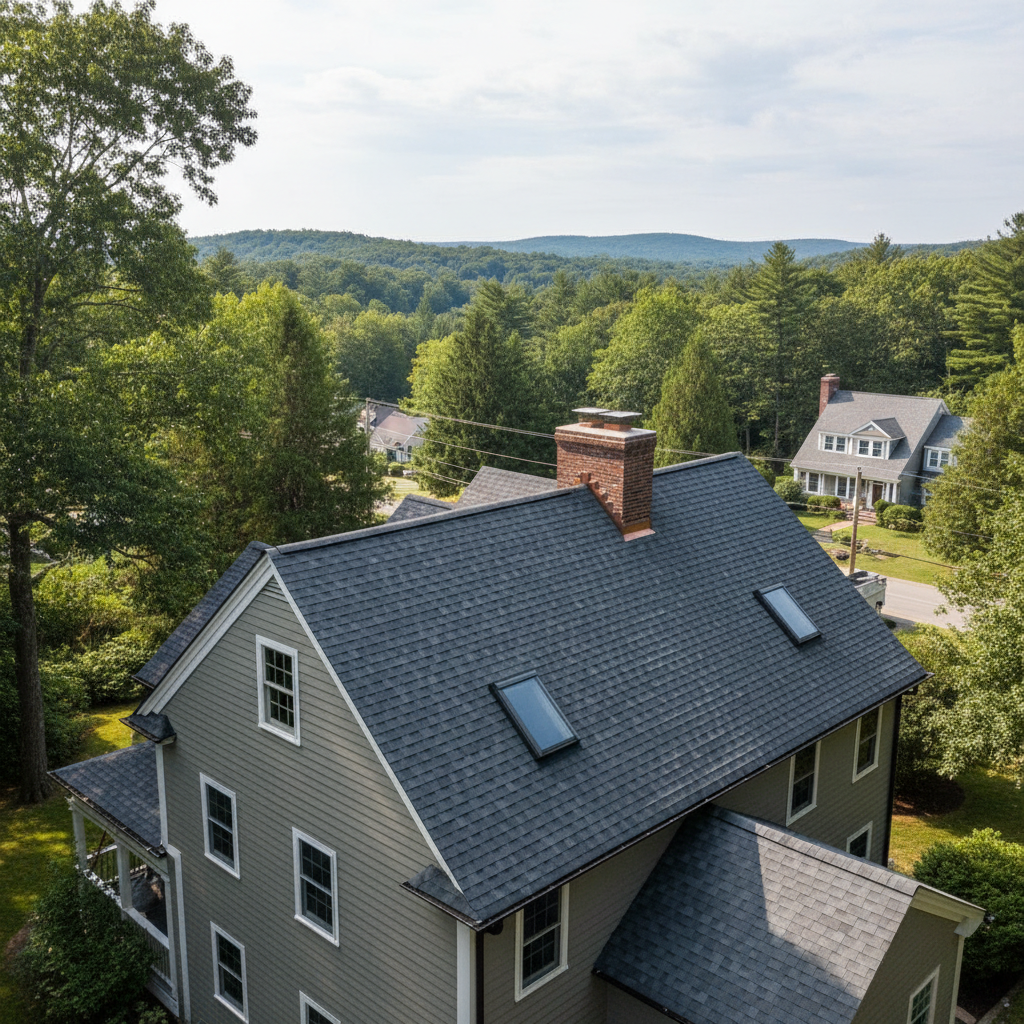
So, you've just put on a new roof, or maybe you're just trying to squeeze every last year out of your current one. Smart move. Especially with the kind of crazy weather we get here in West Greenwich. A roof isn't something you can just install and forget about, not if you want to avoid bigger headaches and costs down the road. I've seen it way too many times – folks think a new roof means zero maintenance for two decades. That's just not how it works, unfortunately.
Making Your Roof Last: It's All About Staying Ahead
You want your roof to hit its maximum lifespan, right? That means being proactive. Think of it like changing the oil in your car. You wouldn't skip that, would you? Your roof needs similar attention. A big part of keeping it around longer is simply keeping it clean and clear of junk. Leaves, pine needles, fallen branches – they all trap moisture. And that moisture is a real killer for shingles, flashing, and even the wood underneath over time. We're talking rot, mold, and it just wears everything out faster.
Another key thing? Good attic ventilation. It's not actually *on* the roof, but it's super important for its overall health. A well-ventilated attic stops heat and moisture from building up. In the summer, this keeps your shingles from baking and curling up too soon. In the winter, it helps prevent ice dams, which are a huge pain around here when we get those heavy snowfalls followed by a thaw. We see plenty of homes in places like Escoheag or Nooseneck Hill that really get hammered by those winter conditions, and good ventilation can make a world of difference.
What Does Regular Maintenance Actually Look Like?
Okay, so what should you actually be doing? It's not brain surgery, but it does take a little effort. I usually tell people a couple of times a year is good – once in the spring after the last of the winter storms have passed, and again in the fall once all the leaves have finally dropped.
- Clean the Gutters: This is probably the single most important thing you can do. Clogged gutters mean water has nowhere to go but back up under your shingles or spill right over, soaking your fascia boards and even your foundation. Get up there (carefully!) and scoop out all that gunk.
- Trim Overhanging Branches: Any branches touching or hanging too close to your roof are just asking for trouble. They can scrape shingles, drop debris directly onto your roof, and even give critters an easy path in. Plus, a heavy snow or ice storm could bring them down, causing some serious damage.
- Check for Debris: Look for piles of leaves, moss, or algae growing. Gently sweep or brush them off. Moss and algae hold moisture, which can really degrade your roofing materials. If you've got a lot of it, you might need a gentle cleaning solution, but just be careful not to damage the shingles.
- Inspect Your Flashing: Flashing – those metal strips around chimneys, vents, and skylights – are absolutely critical for stopping leaks. Make sure they're still securely sealed and haven't come loose or started to corrode.
Now, if you're not comfortable getting on a ladder or walking on your roof, that's totally understandable. It can be dangerous, after all. That's where a professional inspection really helps. We can do all this for you safely and even spot things you might miss.
Signs That Your Roof Has a Problem
Your roof usually gives you hints when something's going wrong. You just need to know what to look for. Don't wait until you've got a bucket catching drips in your living room.
- Missing or Damaged Shingles: After a windy storm, take a look around. Are any shingles gone? Are any curled, cracked, or buckling? These are weak spots where water can sneak in.
- Granule Loss: If you have asphalt shingles, check your gutters. Are they full of shingle granules? That's a pretty clear sign your roof is getting old and losing its protective layer.
- Water Stains Inside: Any discoloration on your ceilings or walls, especially on the top floor, is a definite red flag. It means water is getting in somewhere, no doubt about it.
- Sagging Roof Deck: If you can safely get into your attic, look up. Is the roof deck sagging between the rafters? That's a serious structural issue, and you'll want to get it checked out.
- Higher Energy Bills: Sometimes, a failing roof or poor ventilation can let your heating or cooling escape, driving up your utility costs.
When It's Time to Call a Professional
Look, I'm a big fan of DIY when it's safe and you actually know what you're doing. But some things are just better left to the pros. If you see any of those warning signs, or if you're just not comfortable with the maintenance tasks, give us a call. Please, don't try to patch a major leak yourself or walk on a steep, icy roof.
We're here to help, really. At Black Diamond Roofing, we've got the experience to spot issues quickly and fix them correctly the first time. Sometimes, a small repair now can save you from needing a full replacement later. We'll give you an honest assessment of what your roof needs – whether it's a simple cleaning, a minor repair, or something more extensive. Your roof protects your biggest investment, so it just makes sense to treat it right.