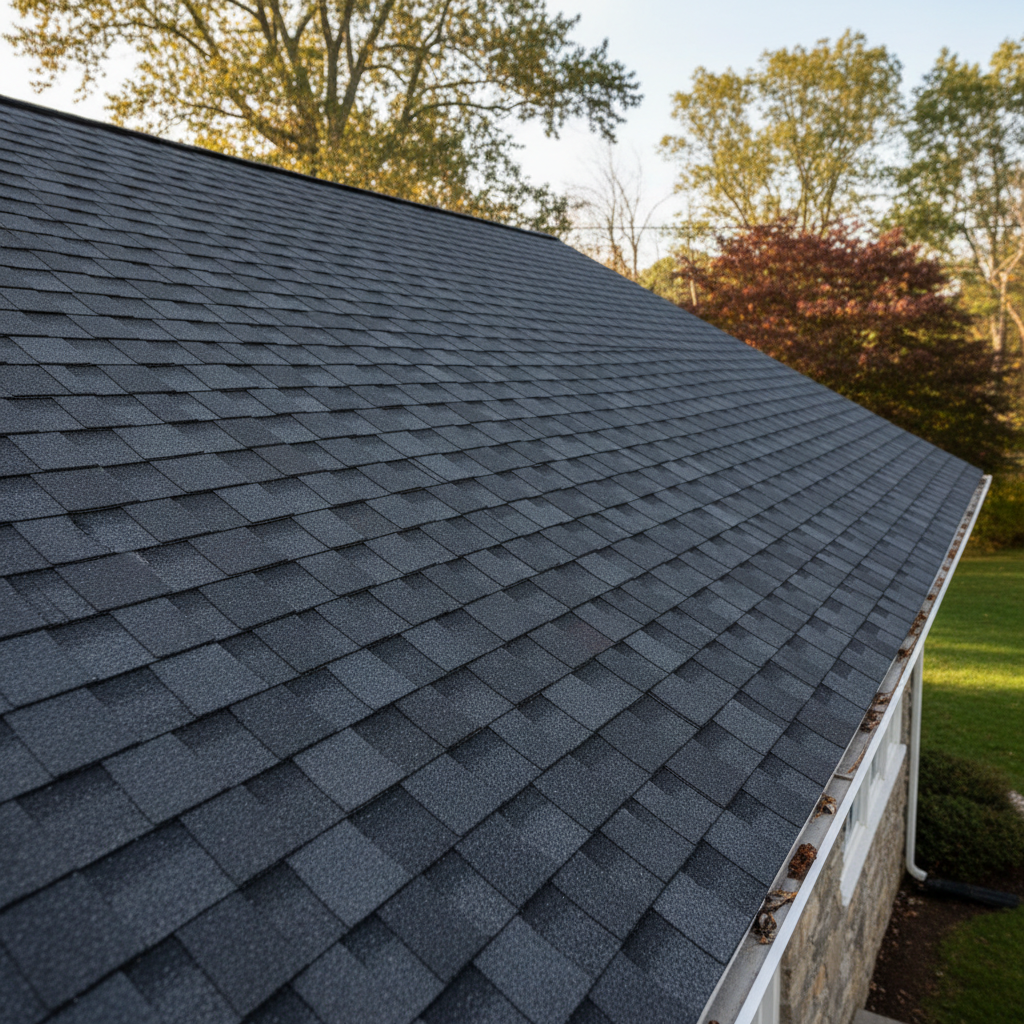
So, you're building a new home here in West Greenwich, huh? That's exciting! A lot goes into new construction, and sometimes folks get so focused on the floor plan or kitchen cabinets that they forget about one of the most critical parts of the whole build: the roof. It's not just about keeping the rain out; it's about protecting your entire investment for decades.
Before the Shingles Go On: Planning Your New Roof
Before you even think about materials, you've got some decisions to make. This isn't like replacing an old roof where you're stuck with the existing structure. With new construction, you have a lot more freedom. But that also means more choices, doesn't it?
- Roof Pitch and Style: Your architect and the home's overall design usually determine this, but it affects everything from drainage to material options. A steeper pitch, common in many West Greenwich homes to shed the heavy snow loads we sometimes get, often means certain materials just work better.
- Material Selection: You've got options: asphalt shingles, metal, wood shakes, synthetic materials. Each has its good points and bad points when you consider cost, how long it lasts, how it looks, and what kind of upkeep it needs. Think about the long game here. What's going to look good and perform well in our New England weather for years to come?
- Ventilation is Key: Don't skimp on this. Proper attic ventilation stops heat from building up in summer and keeps moisture problems away in winter. It's crucial for your roof's longevity and your home's energy efficiency. We see a lot of homes around the Big River Management Area that could really use better ventilation, especially with our humid summers.
- Underlayment and Flashing: These are the unsung heroes. A good quality underlayment protects your roof deck. And proper flashing around chimneys, vents, and valleys? That's what truly seals out water. You won't see it, but it's doing heavy lifting.
What can you do yourself here? Honestly, not much on the actual installation side. This is all about research and asking your builder and roofing contractor smart questions. Understand the choices, but leave the technical details to the pros.
During Construction: Watching Your Roof Take Shape
Once the framing is up and the roof deck is on, things move pretty fast. This is where the rubber meets the road, or rather, where the shingles meet the sheathing.
- Inspections: Your general contractor should have a schedule for inspections. Make sure the roof deck is solid and properly fastened before anything else goes on. Once the underlayment and shingles are down, it's a lot harder to fix problems with the deck.
- Material Delivery and Storage: Materials will be delivered to your site. Make sure they're stored properly, protected from the elements. You really don't want warped shingles or wet underlayment going onto your new roof.
- Installation Process: This is 100% a job for experienced roofers. There's a specific sequence: underlayment, drip edge, flashing, then the main roofing material. Every nail, every seam, every piece of flashing needs to be installed correctly to prevent leaks down the line. I can't stress enough how important it is to have a skilled crew on site. At Black Diamond Roofing, our guys know the ins and outs of every material we install.
- Safety First: Roofing is dangerous work. Leave it to the professionals with the right safety equipment and training. You don't want to be up on a ladder trying to help out; you could get seriously hurt.
Your role during this phase is mostly observational. Ask questions, make sure the crew is cleaning up daily, and ensure the materials you chose are actually what's being installed. Don't be afraid to speak up if something doesn't look right.
After the Roof is Done: What Happens Next?
The roof is on, the crew has packed up, and your new home is looking great. But your job isn't quite finished.
- Final Walk-Through: Do a thorough inspection from the ground. Look for any loose shingles, exposed nails, or debris left behind. If you have binoculars, use them to get a closer look at the ridge and valleys.
- Warranty Information: Get all your warranty documents. You'll have a manufacturer's warranty on the materials and a contractor's warranty on the labor. Understand what's covered and for how long. Keep these documents in a safe place.
- Initial Maintenance: Even a brand-new roof needs a little attention. Keep your gutters clean, especially after the first few storms. Debris from construction can sometimes find its way into them. Trim back any tree branches that are too close; you don't want them scraping or dropping leaves and twigs on your new investment.
- Regular Checks: Once a year, give your roof a good visual check. Look for anything out of place. Catching small issues early can save you a lot of headaches and money down the road.
You've put a lot of time, effort, and money into building your new home. Don't let the roof be an afterthought. Get it right from the start, and it'll protect your family and your investment for decades. If you ever have questions or need a hand with a new construction roofing project, give us a call at Black Diamond Roofing. We're always happy to talk shop.