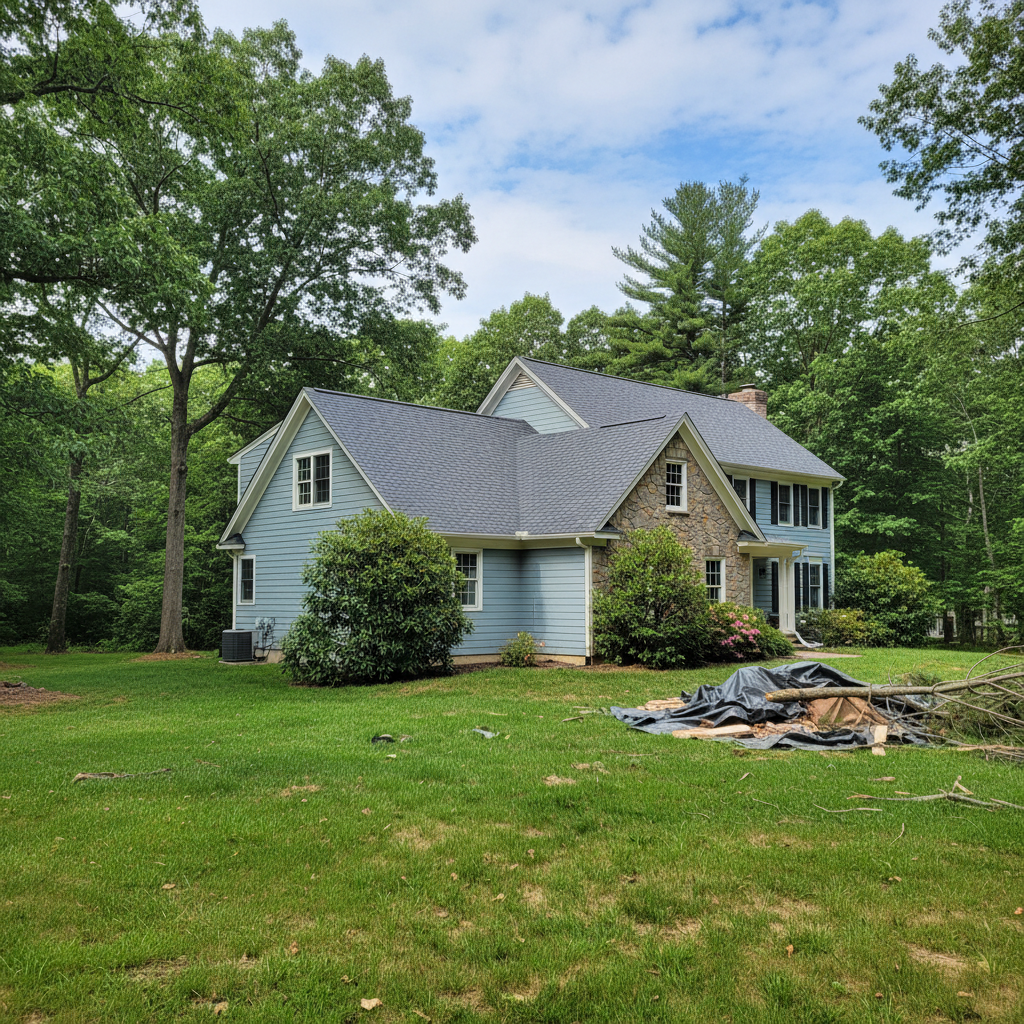
Nobody wants to deal with storm damage, but living here in West Greenwich, we know it's a reality. From those crazy nor'easters that dump heavy snow and ice, to summer thunderstorms that bring down trees, our homes take a beating. When the worst happens, and your roof or siding is compromised, it's easy to feel overwhelmed. But don't panic. I'm going to walk you through what to expect and how to prepare for a storm damage repair project, so you can get your home back to normal without a ton of extra stress.
First Steps After the Storm Hits
Once the immediate danger has passed, your first priority is safety. Secure any immediate hazards if you can do so safely – think tarps over a hole in the roof to prevent further water intrusion, or boarding up a broken window. Don't attempt anything that puts you at risk. Then, document everything. Take photos and videos of all the damage, inside and out. This is crucial for your insurance claim.
Next, contact your insurance company. Do this as soon as possible. They'll guide you through their claims process and assign an adjuster. While you're waiting, you can start looking for a reputable local contractor. You don't have to wait for the adjuster to approve everything before getting estimates, but make sure any contractor knows you're working with insurance.
What to Expect: The Repair Timeline
A storm damage repair project isn't usually a quick fix, especially if it's widespread. Here's a general timeline:
- Initial Assessment & Emergency Repairs: This happens right after the storm. A good contractor, like us at Black Diamond Roofing, will come out, assess the damage, and do any necessary temporary repairs to prevent further issues. This might take a day or two depending on the damage.
- Insurance Adjuster Visit: Your insurance company will send an adjuster to inspect the damage. This can take anywhere from a few days to a couple of weeks, especially after a major regional storm when they're swamped. Make sure your contractor is present during this visit if possible; they can point out hidden damage the adjuster might miss.
- Estimate & Approval: Once the damage is assessed, your contractor will provide a detailed estimate. You'll submit this to your insurance company. This back-and-forth can take a week or two, sometimes longer if there are disputes.
- Material Ordering: Once approved, materials need to be ordered. Supply chain issues can sometimes cause delays here, so be prepared for a wait of a few days to several weeks, depending on what's needed.
- Project Scheduling: Your contractor will schedule the work. This depends on their current workload, material arrival, and weather.
- Construction/Repair Work: The actual repair time varies wildly. A roof replacement might take 2-5 days. Siding could be a week or more. Interior repairs could stretch longer, especially if multiple trades are involved.
- Final Inspection & Payment: After the work is done, you'll do a final walk-through with your contractor. Once you're satisfied, final payments are made, often with the last insurance check.
Overall, from initial call to completion, you're usually looking at several weeks to a few months for a significant repair. Patience is key.
How to Prepare Your Home and Family
While the contractors are doing their thing, there are things you can do to make the process smoother:
- Clear the Area: Move outdoor furniture, grills, and anything valuable away from the work zones. If it's a roof job, clear your driveway and any areas around the house where debris might fall.
- Protect Interiors: For roof work, sometimes dust or small debris can fall into the attic or even through ceilings. Cover anything sensitive in your attic. If there's interior damage, remove furniture or cover it to protect it during repairs.
- Plan for Noise: Construction is noisy. If you have young children, pets, or work from home, plan accordingly. You might need to arrange for alternative arrangements during peak work hours.
- Communicate: Stay in touch with your project manager. Ask questions. Understand the daily schedule.
- Keep Records: Hold onto all communication, contracts, invoices, and insurance documents.
Questions to Ask Before You Sign That Contract
Before you commit to any contractor, you need to be sure they're the right fit. Don't be afraid to ask tough questions. Here are some I'd recommend: