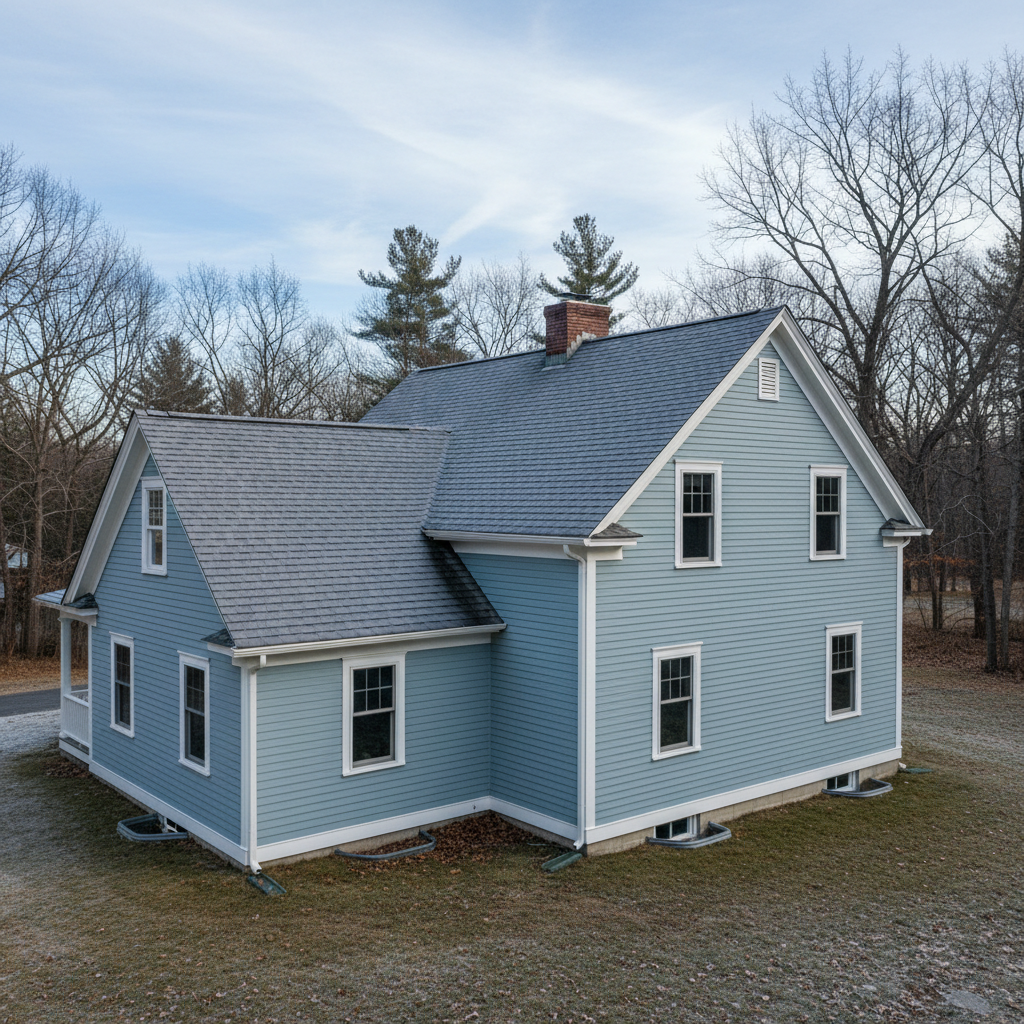
So, you've got a roof leak or some damaged shingles. Your first thought is probably, "How fast can I get this fixed?" Totally natural. But here in West Greenwich, especially with our crazy weather swings, timing your roof repair isn't always as simple as just picking up the phone. It's really about understanding what our local climate means for your roof and figuring out the smartest time to get the work done.
When's The Best Time for Roof Repair?
Honestly, the absolute best time for most roof repairs is when the weather's actually cooperating. That usually means spring and fall. Why those times, you ask?
- Spring: After all the snow melts and those pesky ice dams are gone, you can finally see the real damage winter did. It's not too hot, not too cold, and usually, we get a nice stretch of dry days. That's perfect for materials to seal properly and for my crew to work safely and quickly.
- Fall: Before the real cold sets in, fall is another prime window. Temperatures are moderate, and we're usually past the worst of the summer humidity and thunderstorms. It's a great time to catch any lingering issues from summer storms or just get things buttoned up tight before the snow flies.
Now, I know what you're thinking: "What if I have a leak in January?" You can't wait for spring, right? Absolutely not. Emergency repairs happen year-round. We'll always do what we can to get a temporary fix in place to prevent more damage, even when conditions aren't ideal. But for a full, lasting repair, we often prefer to come back when the weather truly allows for the best possible work.
Weather Conditions That Affect the Job
Our West Greenwich weather can be a real pain for roofing. Here's what we're always up against:
- Cold Temperatures: When it's really cold, especially below 40 degrees, asphalt shingles can get brittle. They don't seal down as well, and they're more likely to crack when we handle them. Plus, it's just plain harder and less safe for my guys to work on a freezing roof. We can still do repairs, but it demands extra care and sometimes specific cold-weather adhesives.
- Rain and Snow: This one's a no-brainer. You simply can't put on a new roof or do big repairs in the rain or heavy snow. It's a safety hazard, and water will definitely get into your home. We'll tarp things off for emergencies, sure, but for permanent fixes, we need dry conditions.
- High Winds: West Greenwich can get some serious gusts, especially out near the Big River Management Area. Working on a roof in high winds is incredibly dangerous. On top of that, high winds can mess with how materials stick and cure. We'll always put our crew's safety and the integrity of your repair first.
- Extreme Heat: Believe it or not, scorching summer days can also be tough. Shingles get very soft and can be easily damaged just by walking on them. Adhesives might cure too fast or not properly if it's too hot. It's not as restrictive as the cold, but it's definitely something we consider.
What all this means for you is that sometimes, even if you call us right away, we might have to wait a day or two for a good weather window. It's not because we're dragging our feet; it's because we want to do the job right and keep everyone safe. Makes sense, doesn't it?
Protecting Your Investment Year-Round
You want your roof to last, right? Here's how you can help protect that investment, no matter the season:
- Regular Inspections: I can't say this enough. After every major storm, or at least twice a year (spring and fall), take a look from the ground with binoculars. Look for missing shingles, damaged flashing around chimneys or vents, or any debris. Catching small issues early stops them from becoming big, expensive problems.
- Keep Gutters Clean: Seriously, this is huge. Clogged gutters lead to water backing up, overflowing, and rotting fascia boards. In winter, they contribute to ice dams, which are an absolute nightmare for your roof's edge. Clean them out, especially before fall leaves and winter snow.
- Trim Trees: If you've got branches hanging over your roof, they're a hazard. They can scrape shingles, drop leaves and debris, and become projectiles in a windstorm. Keep them trimmed back.
- Don't DIY Major Repairs: I know some of you are handy, and that's great. But climbing on a roof, especially if you're not experienced, is super risky. And knowing how to properly seal flashing or replace shingles so they'll stand up to our New England weather takes skill and the right tools. For anything beyond clearing a few leaves, call in the pros. That's what Black Diamond Roofing is here for.
We're your neighbors here in West Greenwich, and we know these roofs. We understand the unique challenges our climate throws at your home. When you need a repair, give us a call at Black Diamond Roofing. We'll assess the situation, explain what needs to be done, and make sure we schedule the work for the best possible outcome, always keeping our local weather in mind.